FourFeetz Production Guide · Prompts
Writing Better Image-to-Video Prompts: Lessons from HARU
A FourFeetz guide to writing restrained, physical image-to-video prompts that protect HARU and create editable motion.
Production Guides
Quick verdict
Use Image-to-Video Prompts only when it answers this production question: the source image gains one motivated performance and one legible camera behavior without losing identity. The public method is describe the initial state, one action, one camera move, physical pacing and the intended stable ending.
FourFeetz production notes
Image-to-Video Prompts: the decision this page can support
This page asks one production question: can image-to-video prompt writing support a result where the source image gains one motivated performance and one legible camera behavior without losing identity? The hard part is describing time, body mechanics and camera pacing without asking the model to invent an entire scene. It does not claim a universal winner, score, success rate or fixed production time.
The review boundary is the approved first frame, each character action, camera behavior and closing handoff were reviewed separately. Anything beyond the files, frames and public project links shown here is a question for a future project, not a completed FourFeetz test.
FourFeetz production notes
Visible evidence for HARU and LUNA
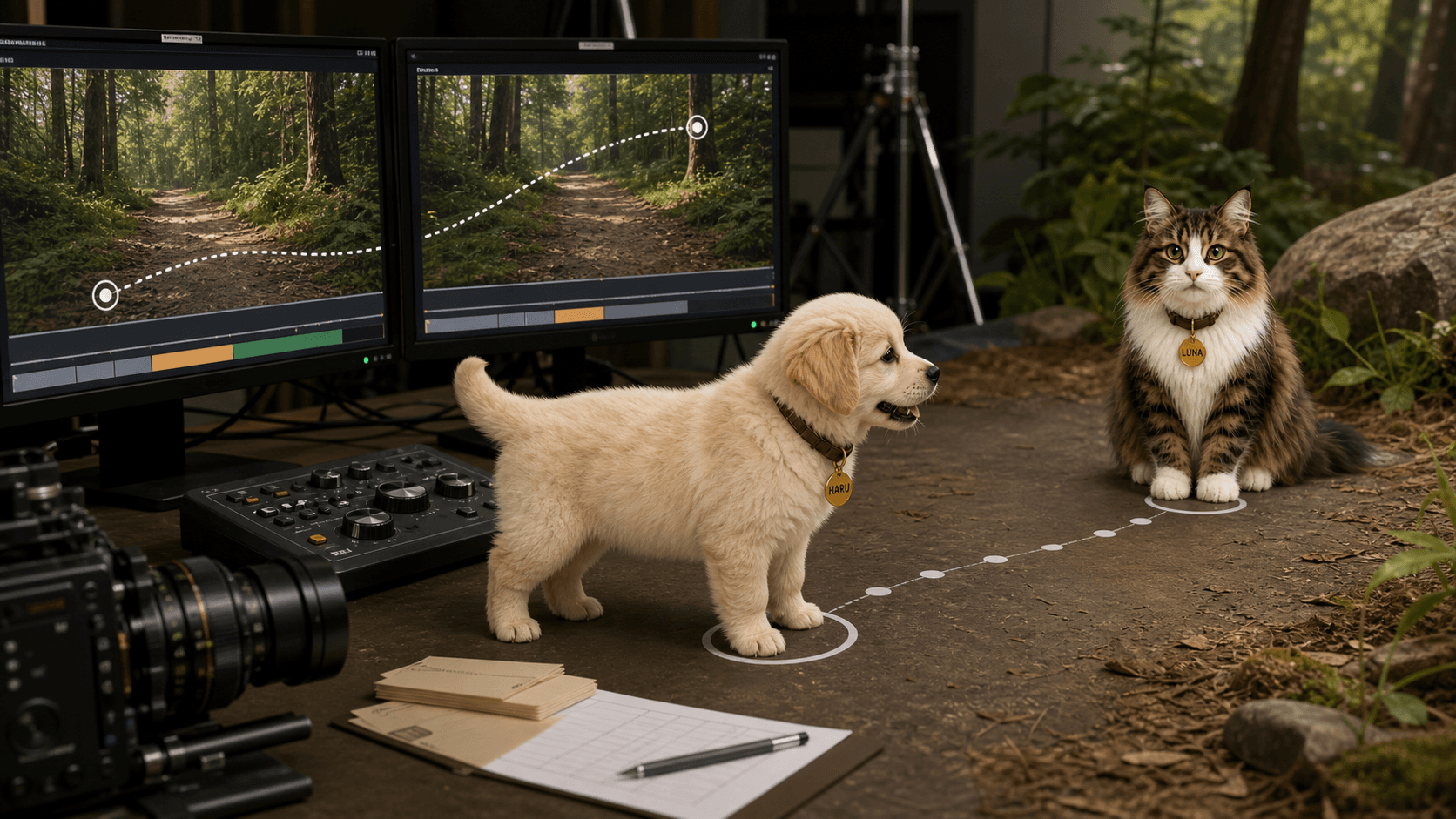
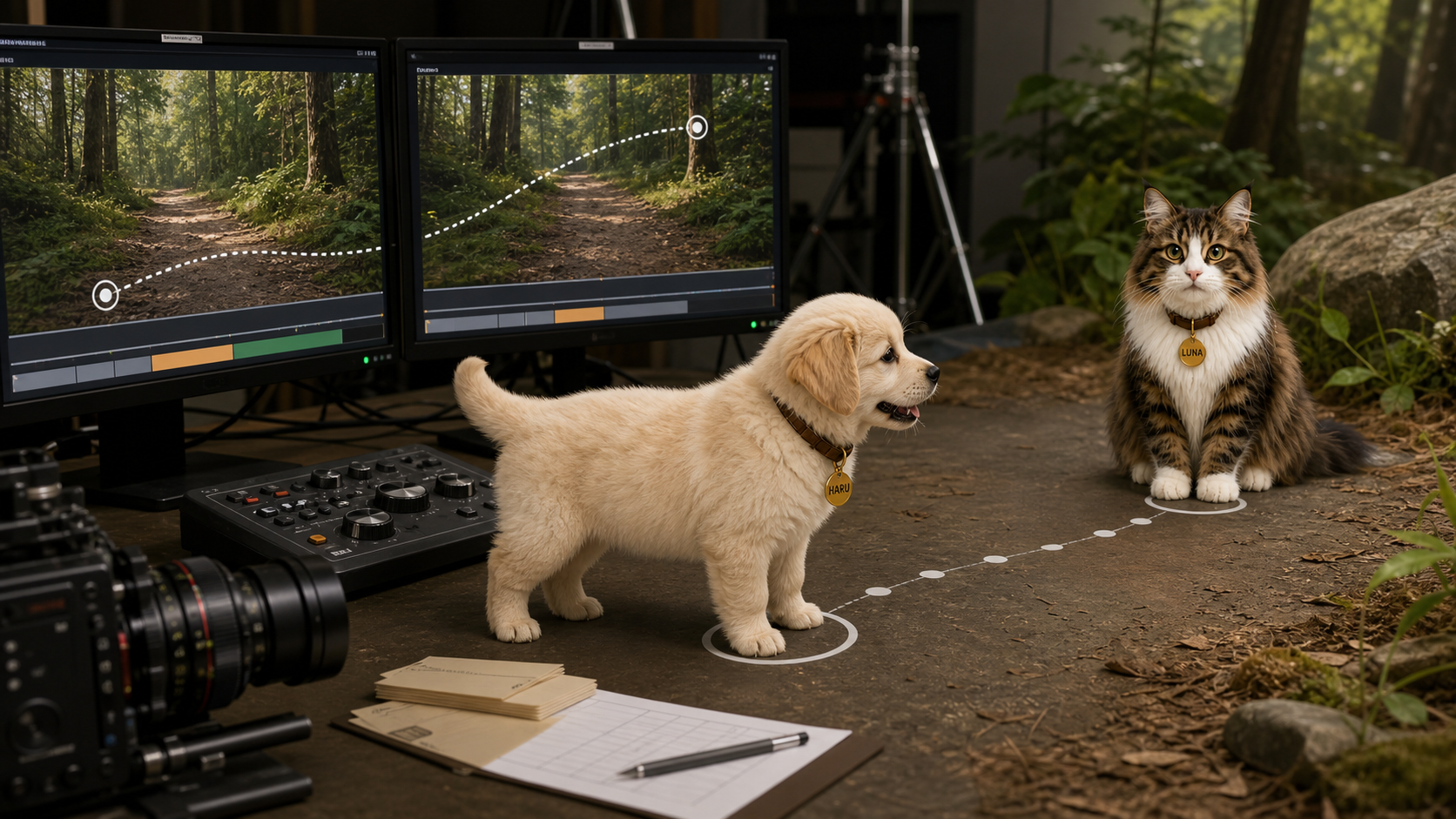
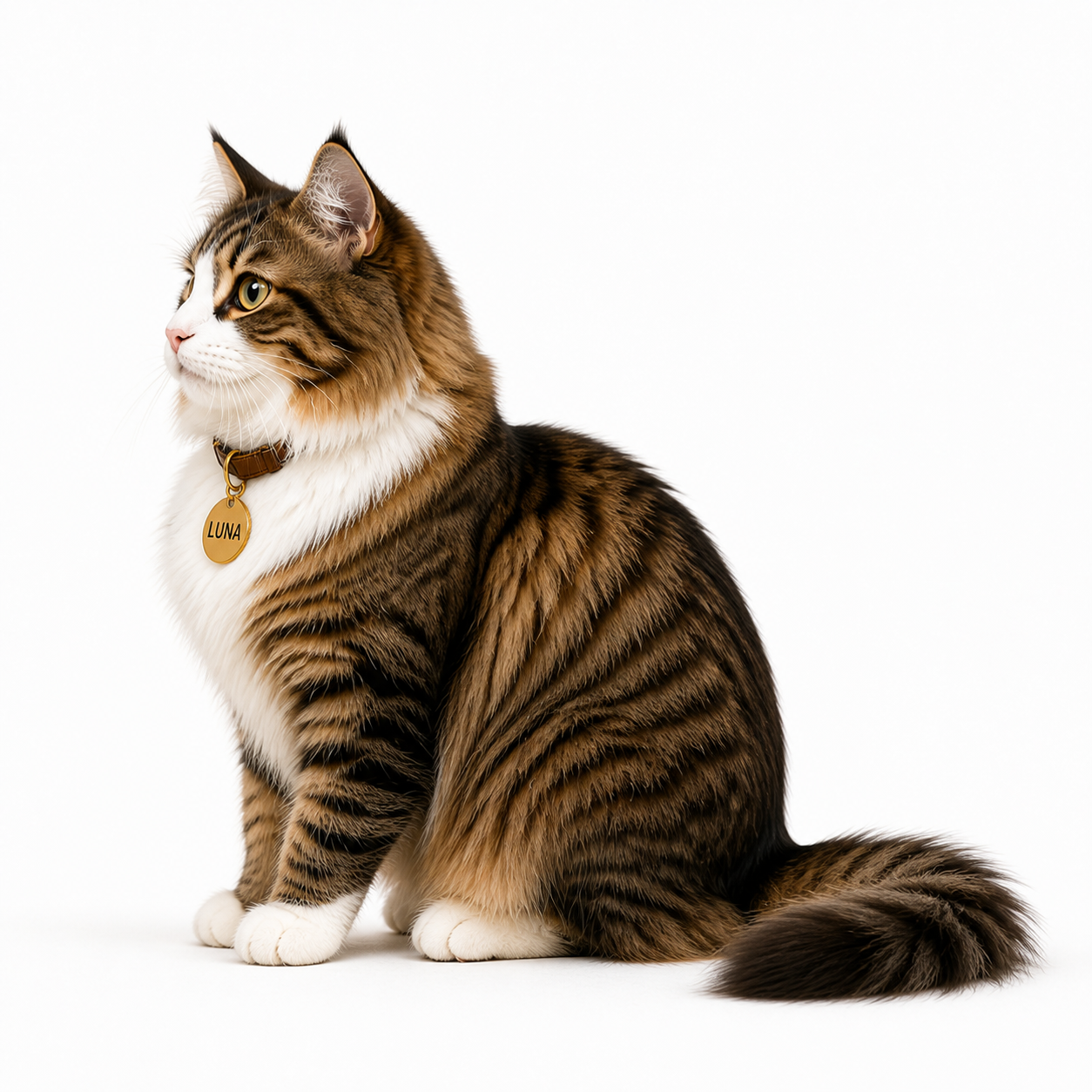
For Image-to-Video Prompts, the repository contains the featured HARU and LUNA image and the character reference shown below. They support a discussion of composition, identity and review criteria; they do not by themselves prove hidden settings, generation counts or a tool-wide benchmark.
The comparison anchor is the approved first frame, one-sentence shot purpose and desired edit handles. This keeps the page tied to observable material instead of borrowing evidence from an unrelated character article.
FourFeetz production notes
Where the image-to-video prompt writing approach can break
The material is most vulnerable when adjective-heavy prompts create extra gestures, rushed cameras and identity drift. A polished frame is not enough if it cannot preserve the intended character, action or edit relationship.
The appropriate response is reducing the request to HARU's head turn and LUNA's held position, then restoring the camera move only after identity passed. This is a review decision, not a claim that every model or project will behave the same way.
FourFeetz production notes
A bounded method for Image-to-Video Prompts
The public method is describe the initial state, one action, one camera move, physical pacing and the intended stable ending. The useful controls are approved first frame, one action per character, one camera behavior, stable closing hold. They are planning prompts rather than private presets or guaranteed settings.
The Image-to-Video Prompts example below demonstrates instruction order only. It deliberately omits master prompts, character-bible details, weighting logic and private production configuration.
Educational example · not our proprietary master prompt
Starting from the supplied HARU forest frame, HARU hears a soft sound off screen right, pauses, and turns only the head. Keep the body planted and the collar stable. Camera makes one slow push from medium-wide to medium framing, beginning and ending gently. Natural breathing, soft morning side light, no new objects.Image-to-Video Prompts: options and limits
| Option | Useful for | Limit |
|---|---|---|
| Action-only prompt | Simple locked shots | Camera improvisation |
| Action plus camera | Directed narrative beats | Overload if compounded |
| Start/end frames | Defined destination | Uncertain middle motion |
FourFeetz production notes
What this Image-to-Video Prompts analysis does not establish
This Image-to-Video Prompts article does not establish a numerical rating, a winning tool, a repeatable success percentage or a fixed budget. Tool access, model behavior, credits and terms can change, so those facts must be checked in the live service before production.
A future test should keep the approved first frame, one-sentence shot purpose and desired edit handles fixed, change one relevant variable and record whether the result can enter the intended edit. The page remains useful only while its claims stay inside that evidence boundary.
FAQ
Questions creators ask us
Is Image-to-Video Prompts a scored review?
No. Image-to-Video Prompts is a bounded production guide or studio analysis based on the visible repository evidence and stated limitations.
Does this Image-to-Video Prompts page publish FourFeetz master prompts?
No. The Image-to-Video Prompts page shares review questions and a safe instruction example, not private character or workflow settings.