
FourFeetz Motion Direction · Production Notes
Why We Keep Some Animal Motions Simple
What HARU, OLI and MILO production tests taught FourFeetz about fast running, complex full-body action, camera movement and choosing stable animal performance.
Production Guides
Quick verdict
Simple motion is a directing choice, not a lack of ambition. It keeps paws, ground contact, silhouette and character temperament reviewable, especially when a short scene must connect cleanly to the next one.
FourFeetz production notes
What We Tested: Full-Body Action Across Different Animals
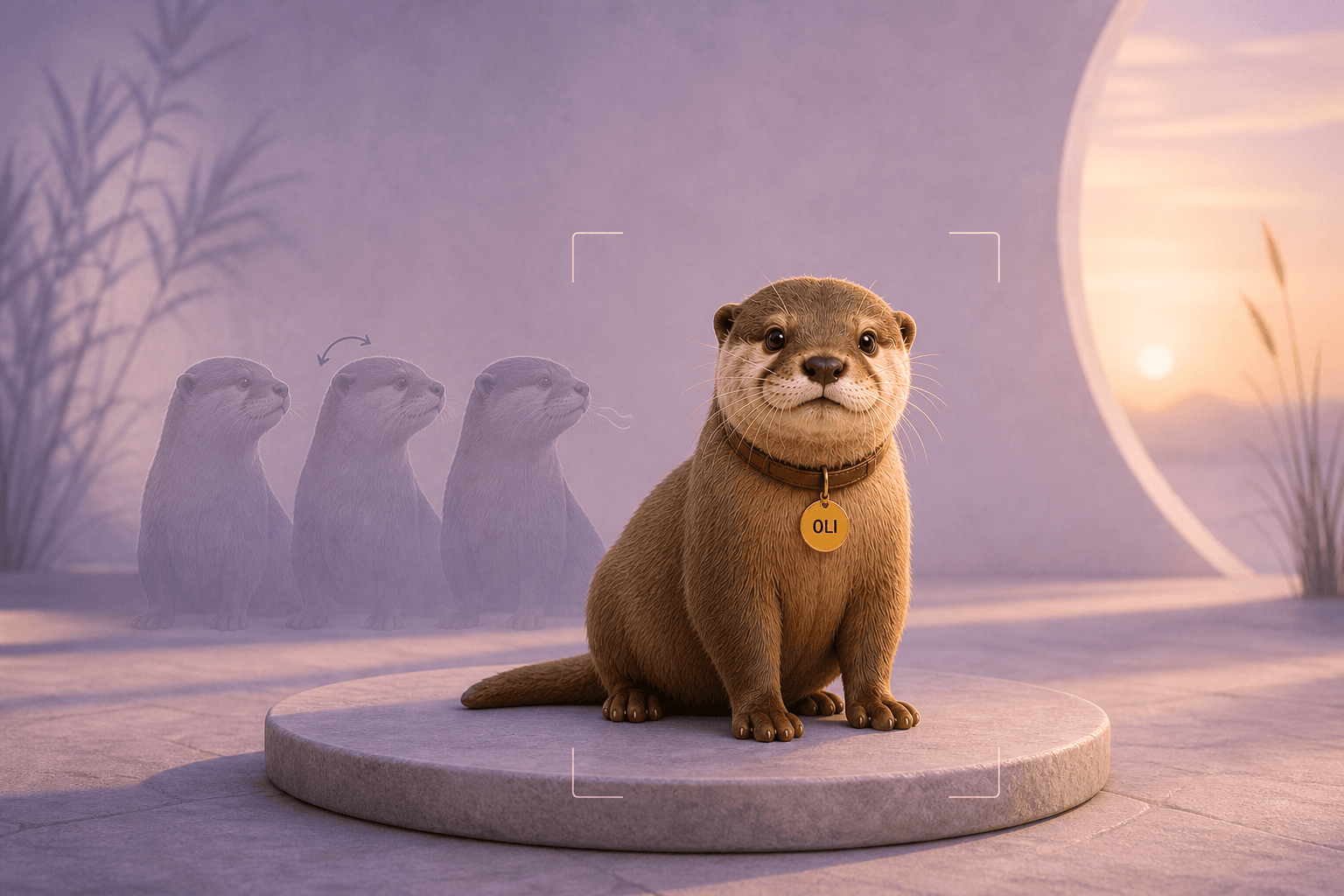
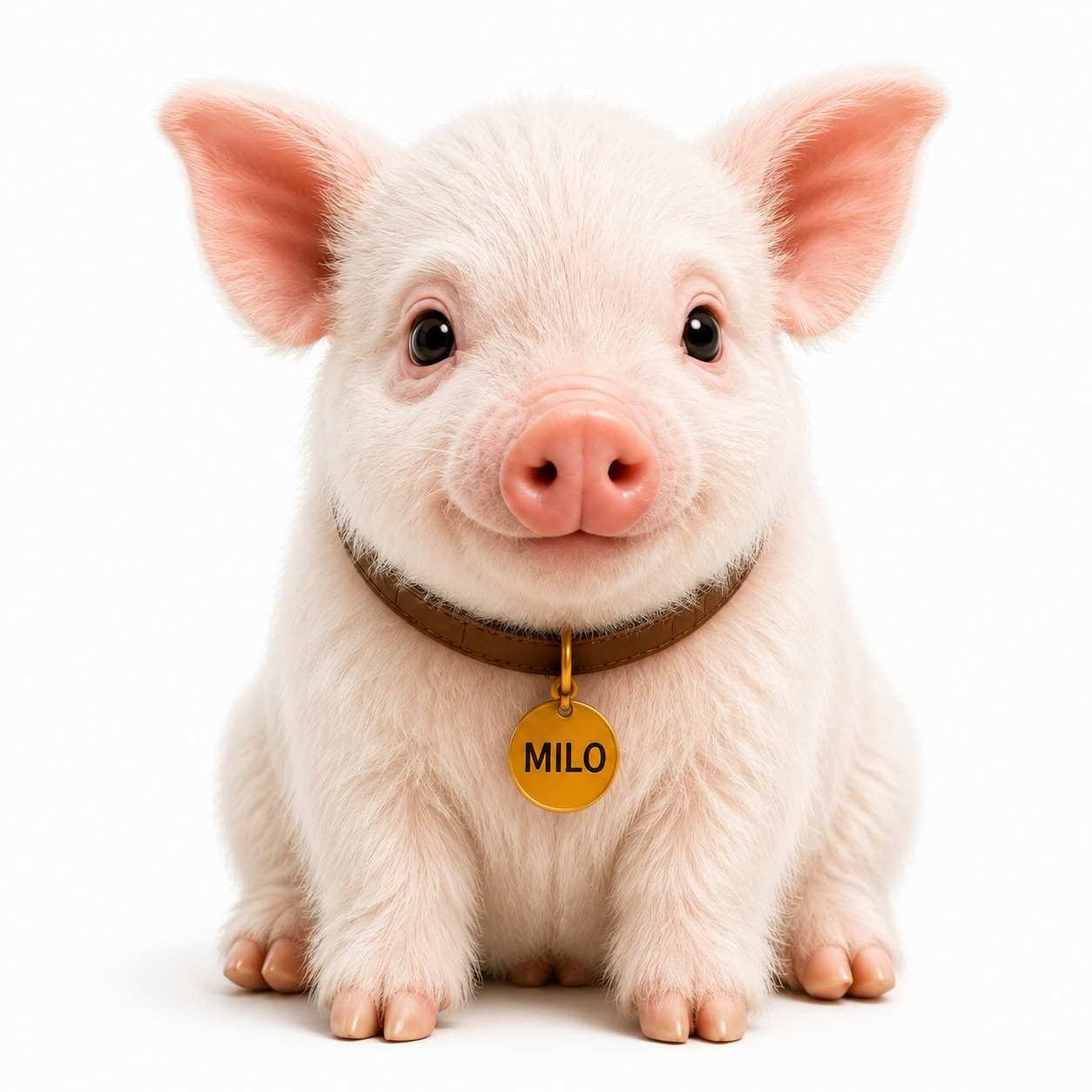
FourFeetz has published quiet walking, resting, swimming and playful character moments across different body types. HARU’s compact puppy proportions, OLI’s long flexible body and MILO’s energetic silhouette do not create the same motion problem. We tested action by asking what has to remain readable: paws and ground contact for a puppy, legs and water contact for an otter, or body scale and foot placement for a larger upbeat character.
Fast running and complicated turns ask a short generation to solve limb cycles, weight transfer, facial identity, background travel and often camera tracking at the same time. An individual frame can look convincing while the body changes between frames. The problem becomes clearer when the result is slowed, looped or placed next to an approved First Shot.

FourFeetz production notes
What Went Wrong: Speed Hid Anatomy Until the Edit
In complex full-body tests, legs can cross, merge or change length while the torso stretches to complete the action. Water may hide part of OLI and make the first viewing feel plausible, but the body shape or paw placement can still fail at the surface. For a running animal, camera tracking can also change the apparent size and make a cut to the next scene difficult.
Adding more movement instructions did not make the action more controlled. It created more destinations. A character can run, turn, look at camera and jump only if every transition is solved; a short generation may instead blend those actions. FourFeetz rejects a take when anatomy, temperament or the planned edit becomes unclear.
- Merged or changing legs during a fast cycle
- Paws sliding instead of carrying weight
- Body length or scale changing through a turn
- Camera speed hiding identity drift
- An end pose that cannot connect to the next shot
FourFeetz production notes
What Worked: One Observable Action in a Stable Frame
HARU’s quiet scenes use breathing, a glance, a careful step or one yawn because those actions fit his gentle temperament and leave the face readable. OLI’s calmer swim works when the body direction and water contact stay clear. For MILO, an upbeat pose can be communicated through posture and a small weight shift before asking for a complex run.
We choose the lowest motion complexity that communicates the story beat. The camera is kept static or given one restrained move, and the action receives a clear end state. This makes comparison honest: if a paw or silhouette changes, the error cannot be excused as intentional speed.
Motion choice by production risk
| Story need | Stable starting choice | Review focus |
|---|---|---|
| Quiet HARU beat | Breathing, glance or one step | Face, scarf/collar and paw contact |
| OLI in water | One swim direction or float | Body length, legs and surface contact |
| Energetic MILO beat | Pose change or short weight shift | Scale, silhouette and feet |
| Fast travel | Separate shorter shots | End pose and screen direction |
FourFeetz production notes
Practical Takeaway: Complexity Must Earn Its Place
Simple motion should not mean lifeless motion. Small breathing, blinking, fur response, water movement and environmental motion can keep a frame alive while the primary action remains readable. The goal is to give the audience one clear behavior, not to display every movement the tool can attempt.
Increase complexity only after the character, camera and environment survive the simpler version. If fast travel is essential, divide it into shorter purposeful shots with usable beginning and end poses. The finished OLI short and HARU relaxing films show what this restraint looks like after editing.
FAQ
Questions creators ask us
Does simple motion mean a static image?
No. Supporting motion such as breathing, blinking, water or fire can remain active while one primary character action stays clear.
When should a fast action be used?
When it is necessary to the story and the character, anatomy, camera and edit points remain stable in controlled tests.