
FourFeetz Production Guide · Filmmaking
Camera Movement Guide for AI Films: Directing HARU with Purpose
A practical FourFeetz guide to pushes, tracks, pulls, orbits and locked frames in AI video—using real HARU production decisions.
Production Guides
Quick verdict
Use Camera Movement Guide only when it answers this production question: each move changes audience distance for a story reason and still cuts cleanly into the HARU sequence. The public method is choose the emotional verb, state start and end framing and combine one camera action with one subject action.
FourFeetz production notes
Camera Movement Guide: the decision this page can support
This page asks one production question: can camera movement in AI video support a result where each move changes audience distance for a story reason and still cuts cleanly into the HARU sequence? The hard part is directing camera motion without overloading the model or turning every quiet beat into spectacle. It does not claim a universal winner, score, success rate or fixed production time.
The review boundary is the locked composition, subject action, camera alternate and edit handles were reviewed as separate decisions. Anything beyond the files, frames and public project links shown here is a question for a future project, not a completed FourFeetz test.
FourFeetz production notes
Visible evidence for HUGO
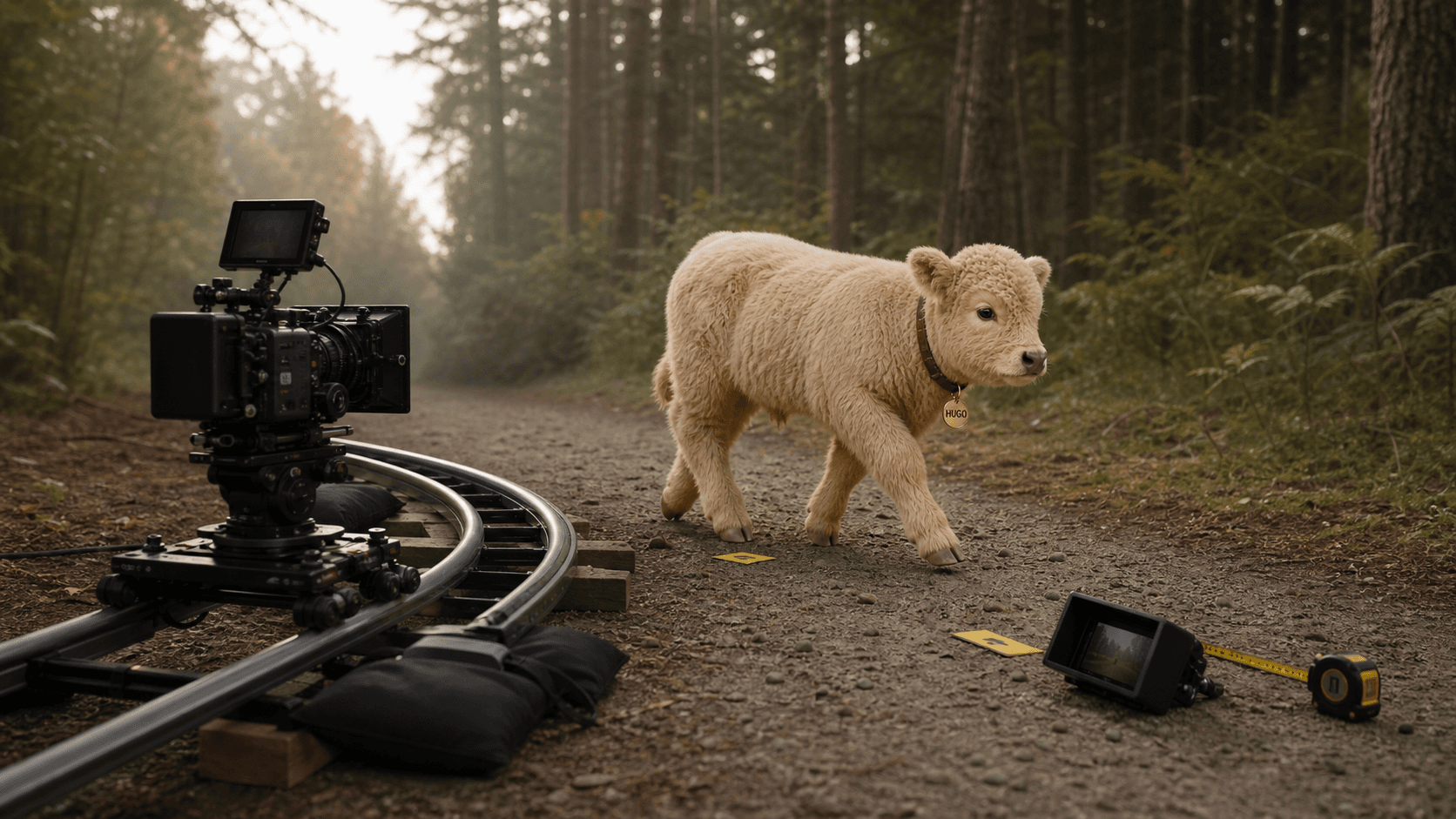
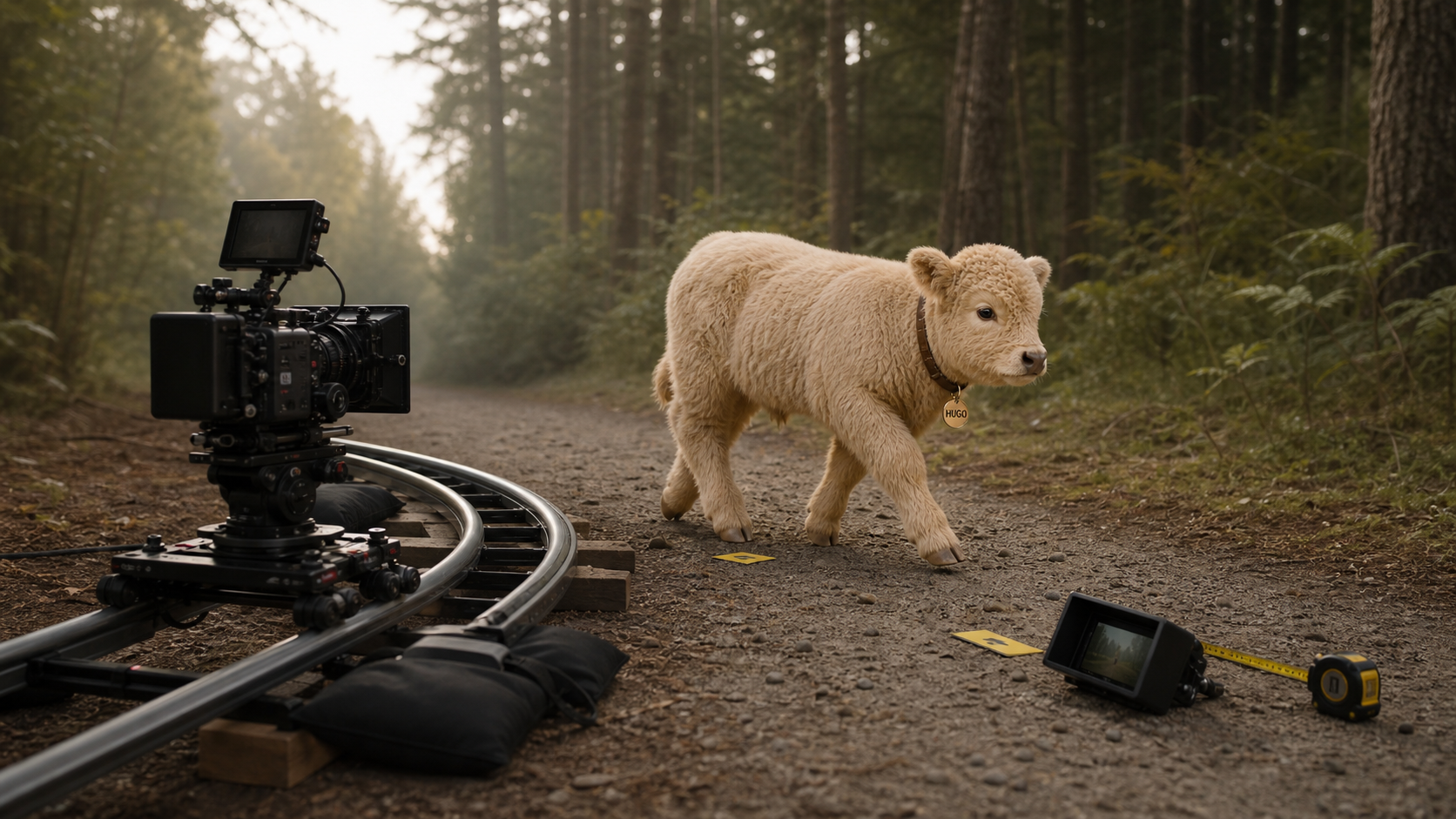
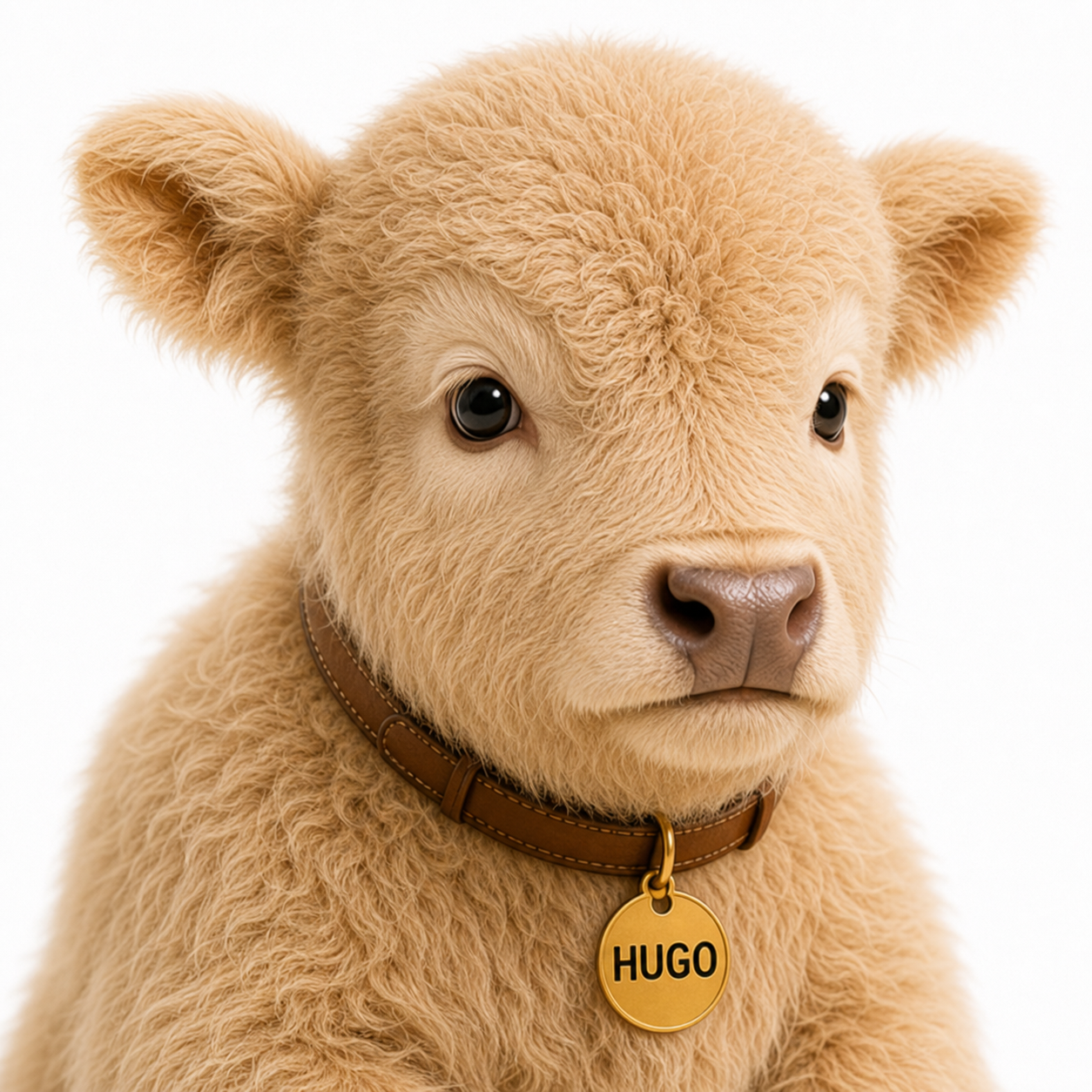
For Camera Movement Guide, the repository contains the featured HUGO image and the character reference shown below. They support a discussion of composition, identity and review criteria; they do not by themselves prove hidden settings, generation counts or a tool-wide benchmark.
The comparison anchor is the shot purpose, starting frame, ending frame and neighboring screen direction. This keeps the page tied to observable material instead of borrowing evidence from an unrelated character article.
FourFeetz production notes
Where the camera movement in AI video approach can break
The material is most vulnerable when the camera rushes, changes lens behavior mid-shot or competes with HARU's performance. A polished frame is not enough if it cannot preserve the intended character, action or edit relationship.
The appropriate response is removing the orbit, lowering the virtual camera to HUGO eye level and specifying a single slow lateral track. This is a review decision, not a claim that every model or project will behave the same way.
FourFeetz production notes
A bounded method for Camera Movement Guide
The public method is choose the emotional verb, state start and end framing and combine one camera action with one subject action. The useful controls are one subject action, one camera action, defined start and end framing, clean edit handles. They are planning prompts rather than private presets or guaranteed settings.
The Camera Movement Guide example below demonstrates instruction order only. It deliberately omits master prompts, character-bible details, weighting logic and private production configuration.
Educational example · not our proprietary master prompt
HARU pauses at the edge of a forest path and looks toward camera right. Begin in a stable medium-wide frame at puppy eye level. Make one slow, steady push to a medium frame; no orbit or zoom. HARU turns only the head. Soft morning side light and natural background movement.Camera Movement Guide: options and limits
| Option | Useful for | Limit |
|---|---|---|
| Locked frame | Observation and calm | Unnecessary subject motion |
| Slow push | Recognition and intimacy | Rushed ending |
| Lateral track | Walking and travel | Scale drift |
| Gentle pull-back | Reveal and transition | Invented environment |
FourFeetz production notes
What this Camera Movement Guide analysis does not establish
This Camera Movement Guide article does not establish a numerical rating, a winning tool, a repeatable success percentage or a fixed budget. Tool access, model behavior, credits and terms can change, so those facts must be checked in the live service before production.
A future test should keep the shot purpose, starting frame, ending frame and neighboring screen direction fixed, change one relevant variable and record whether the result can enter the intended edit. The page remains useful only while its claims stay inside that evidence boundary.
FAQ
Questions creators ask us
Is Camera Movement Guide a scored review?
No. Camera Movement Guide is a bounded production guide or studio analysis based on the visible repository evidence and stated limitations.
Does this Camera Movement Guide page publish FourFeetz master prompts?
No. The Camera Movement Guide page shares review questions and a safe instruction example, not private character or workflow settings.